

Korean skincare is no longer a niche trend in the UK and Europe. It has become a permanent part of the beauty market. Hashtag data shows that #Koreanskincare is a top 10 beauty term driving sales on TikTok Shop UK, where searches for these products jumped by 125% recently.
With billions of views on social media, these Korean skincare trends are moving from our phones to the high street. Major retailers like Boots and Superdrug now stock best-selling Korean skin care products, with Boots even selling one every 15 seconds. This guide explores the trending Korean skincare shifts you need to know for a healthy glow.
#Trend 1: Slow Aging


The biggest shift in Korean skincare trends this year is the move away from aggressive anti-aging. In the UK and Europe, the focus has changed to slow aging. Instead of trying to fix wrinkles after they appear, this trend is all about keeping your skin healthy and strong from the very start.
Recent data shows the European K-beauty market is expected to grow to $2.9 billion this year, largely because shoppers are choosing products that offer long-term health over quick, harsh fixes.
Experts explain that slow aging is a lifestyle, not just a product. Michelle Lee, a leading beauty expert, notes that major retailers like Olive Young now have entire sections dedicated to this concept. The goal is to use gentle ingredients that support your skin barrier and keep it hydrated. This approach helps slow down the natural signs of aging by creating a firm and resilient foundation.
To follow this trend, Korean companies are using ingredients like Bakuchiol, which is a gentler alternative to Retinol, and Cica for soothing redness. Some of the best-selling Korean skin care products for slow aging include the Dr.Jart+ Prejuvenation Firming Bakuchiol Serum and the Beauty of Joseon Relief Sunscreen. These products are trending because they protect the skin and provide deep moisture without causing irritation.
#Trend 2: Glass Skin 2.0


The iconic glass skin look has evolved into something more realistic this year. While the original trend was all about a high-shine, almost oily glow, Glass Skin 2.0 focuses on smooth texture and a healthy skin barrier. Skincare shoppers are moving away from surface-level gloss and looking for skin that is naturally luminous, even-toned, and strong.
To achieve this, the focus has shifted to pore refinement and gentle resurfacing. One of the biggest Korean skincare trends driving this is the use of microneedle technology at home. Now that might sound like a difficult task to you, but it’s actually simple.
Products like the VT Reedle Shot have become top sellers because they use tiny, naturally derived spicules to help active ingredients sink deeper into the skin. This helps pores look tighter and the skin surface appear more refined, without the need for harsh chemical peels.
Experts note that this trend is about intelligent minimalism. Dr. Y. Claire Chang, a board-certified cosmetic dermatologist, explains the shift toward efficiency. “In 2026, we will see fewer, smarter steps with multi-functional products and an evidence-backed approach to skin care,” says Chang. Instead of 10 steps, people are using high-performance toners and essences that contain fermented ingredients and niacinamide.
Some of the best-selling Korean skin care products for this trend include the Anua Heartleaf 77% Soothing Toner and Medicube Zero Pore Pads, which help maintain that smooth, glass finish through daily, gentle care.
#Trend 3: Bio-Regenerative Actives (PDRN and Exosomes)
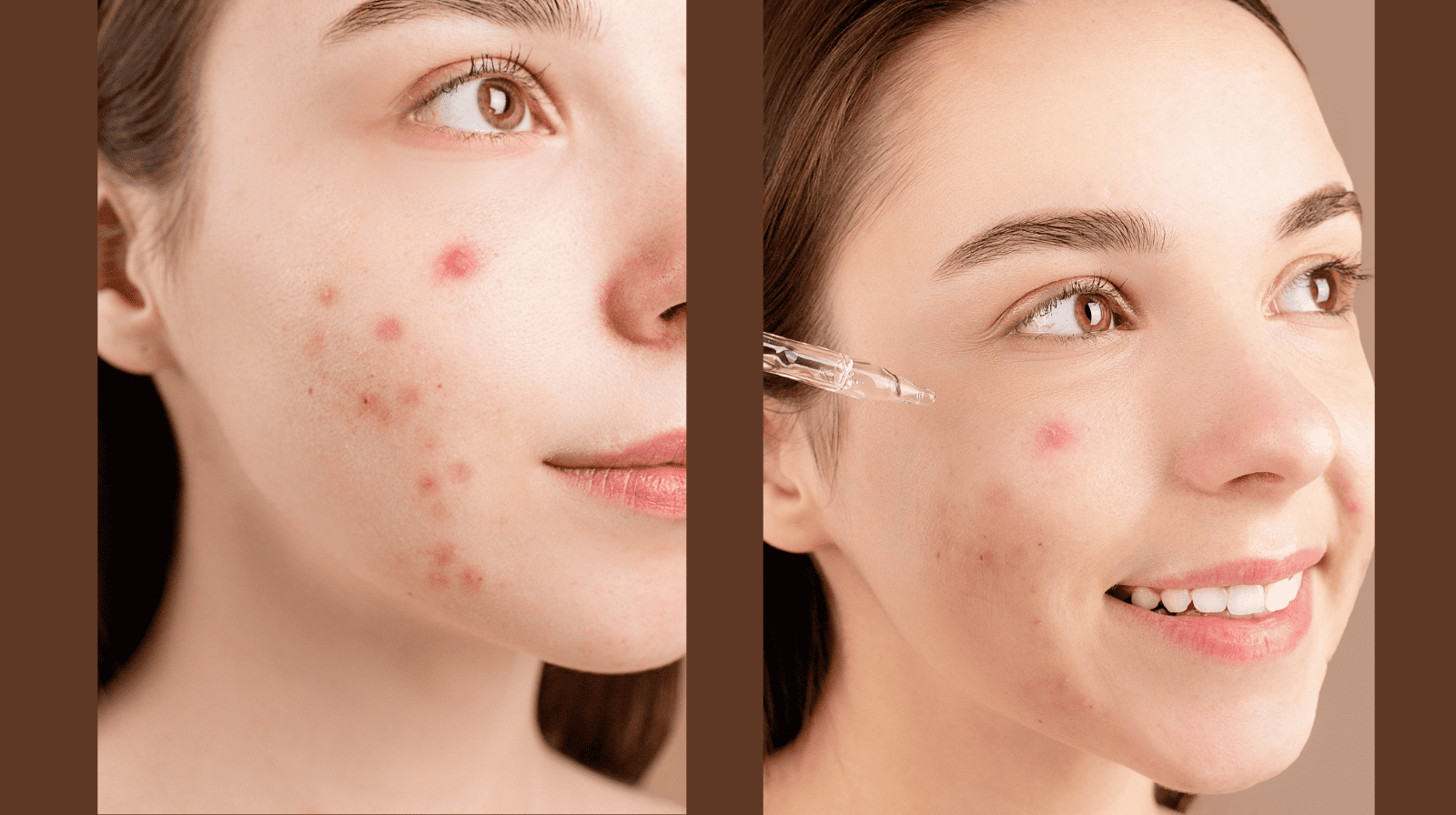
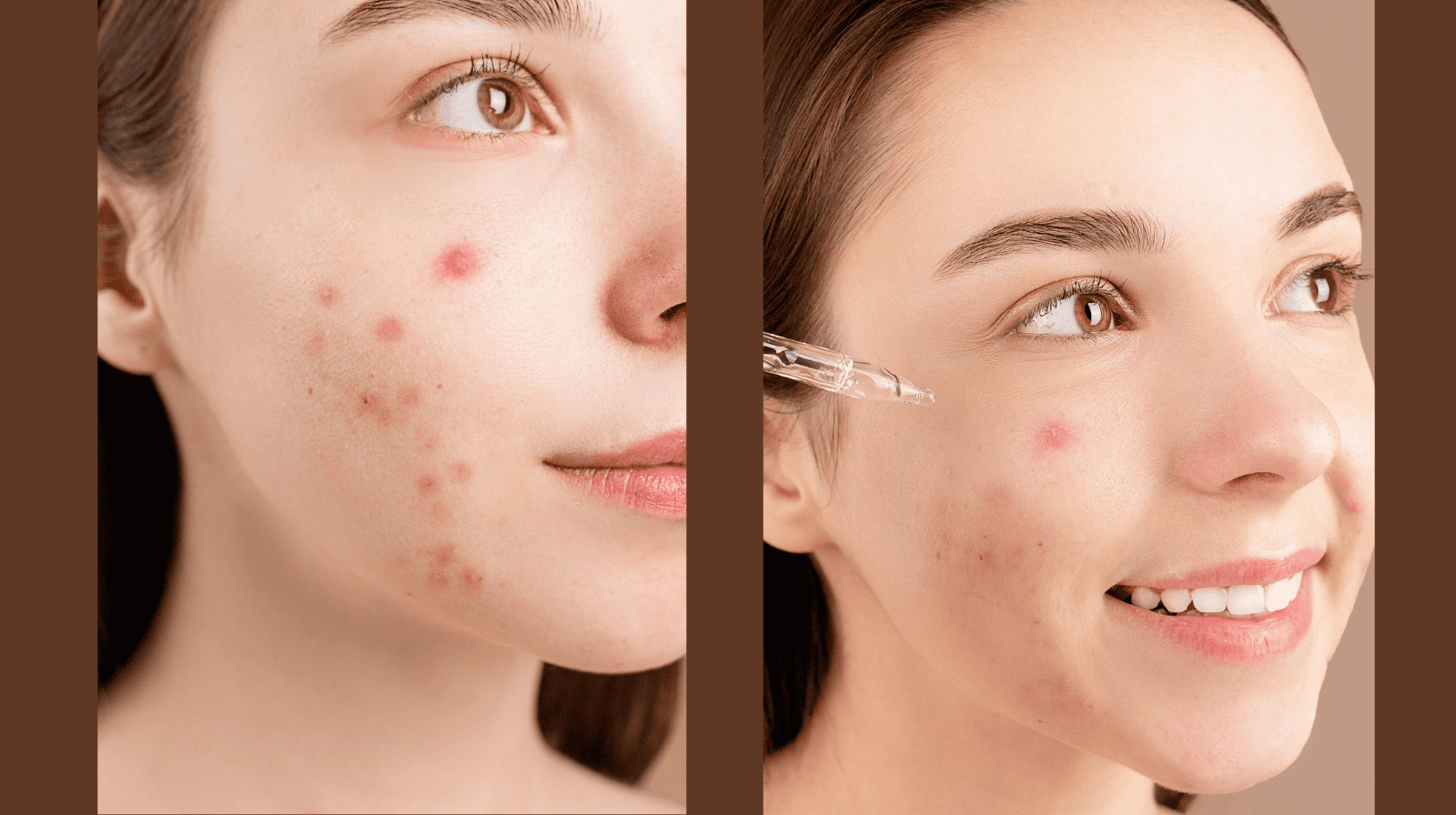
The most advanced shift in Korean skincare trends for 2026 is the rise of bio-regenerative ingredients like PDRN and exosomes. Once reserved for high-end clinics in Seoul, these powerful actives are now present in daily serums and creams. The global market for these skin boosters was valued at over $1.5 billion in 2025 and is growing by nearly 13% each year, showing a massive demand for products that repair skin at a cellular level.
So, how do they actually work? Expert sources describe these ingredients as the future of healing. PDRN is a DNA extract often sourced from plant-based alternatives or salmon. It acts like repair fuel to help damaged skin cells rebuild and strengthen.
Exosomes are tiny messengers that travel between cells to deliver instructions for repair and collagen growth. Dr. Pavithra HN, a skin specialist, explains that these ingredients do not just cover up flaws. Instead, they guide your skin to work better on its own, leading to lasting improvements in strength and texture.
For retailers looking to cash in on this trend, best-selling Korean skin care products include the Mixsoon PDRN Collagen Cream, Medicube PDRN Pink Peptide Serum and Anua PDRN Hyaluronic Acid Serum. Over 2000 people search for PDRN serums in the UK every month, so you can imagine how well these serums sell in the market.
#Trend 4: Next-Gen Overnight Collagen Masks
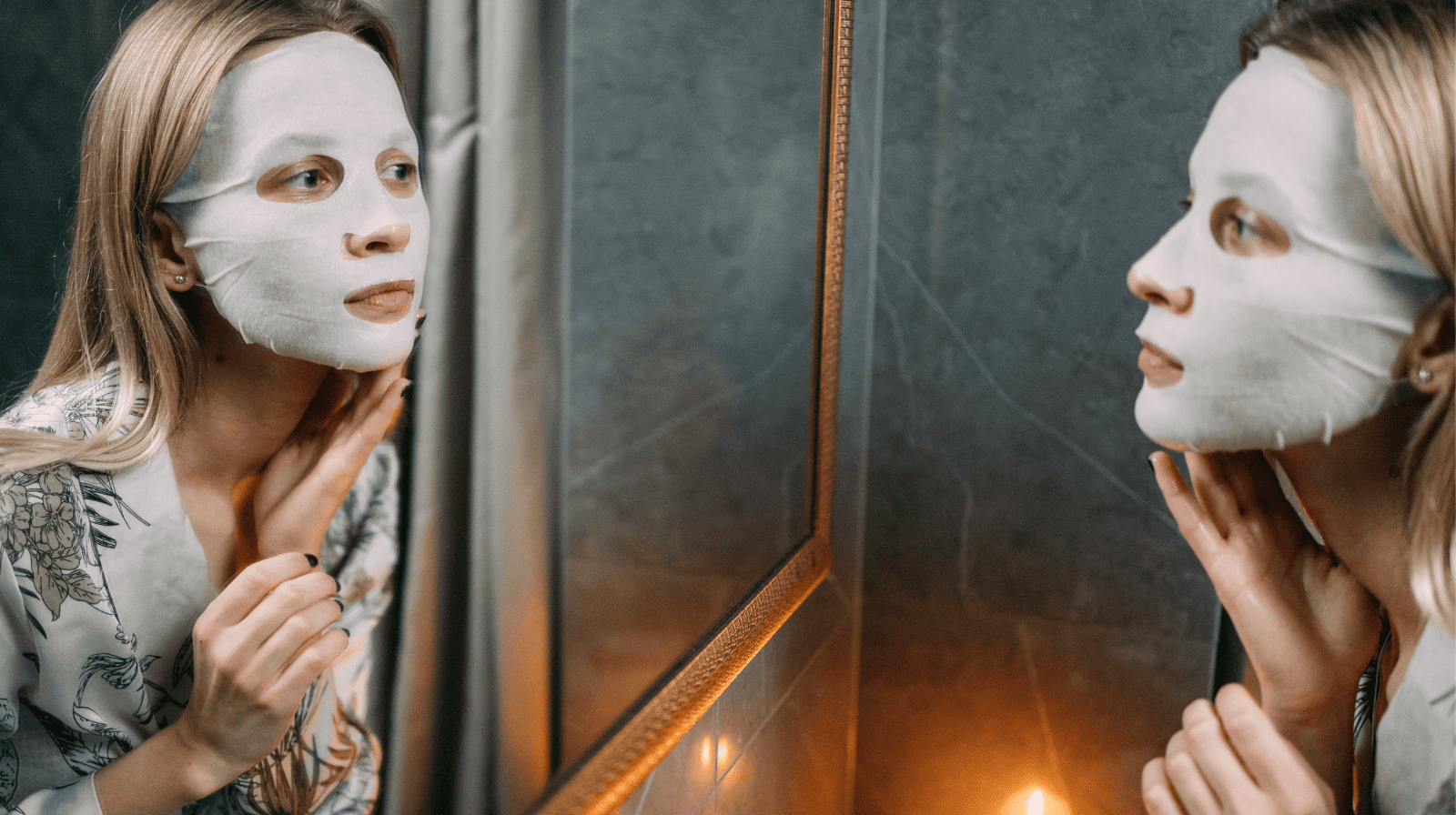
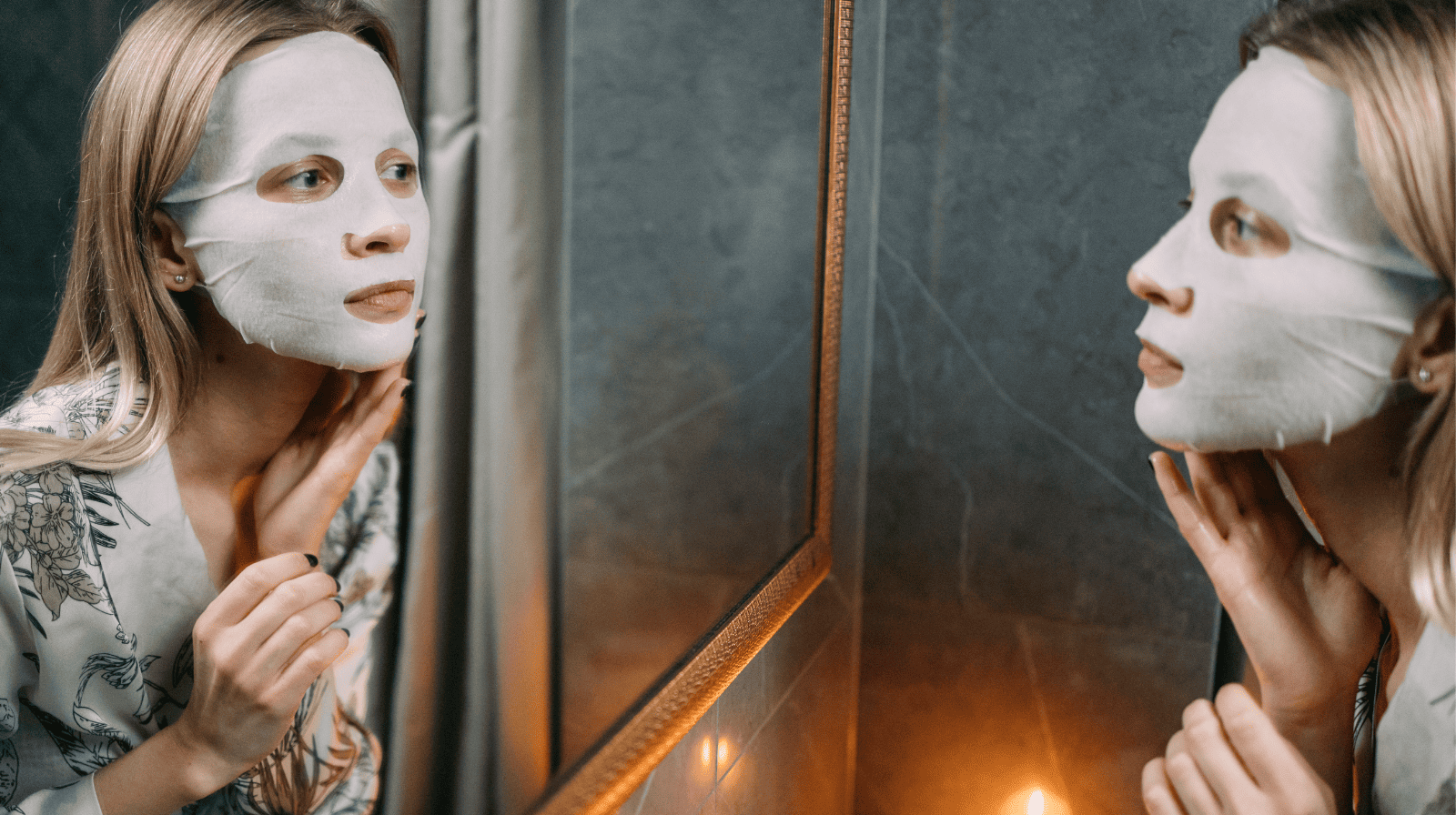
If you have spent any time on social media recently, you have likely seen people peeling off transparent, rubbery masks in the morning to reveal glowing skin. This is the latest evolution of Korean skincare trends in 2026. While people have loved sleeping packs for years, the new generation of masks focuses on intensive recovery.
So, what makes these masks different? Unlike older creams that could smudge on your pillow, these new wrapping masks and overnight hydrogels create a breathable, film-like layer over your face. This physically locks in moisture and helps ingredients like low-molecular collagen and peptides sink deeper into your skin over several hours. It is basically a professional treatment that happens while you sleep.
Experts highlight how this technology works with your body’s natural clock. Sarah Chung Park, founder of K-Beauty World, says “Because skin enters repair mode while you sleep, using a collagen-rich overnight mask as the final step supports the skin’s natural regeneration cycle, reinforces the moisture barrier, and helps prevent the dehydration that often comes with winter weather.” Instead of just delivering actives, the mask also creates an occlusive layer that helps skin wake up looking plumper and calmer.
Retailers can stock best-selling options like Biodance Bio-Collagen Real Deep Mask and the Medicube Collagen Night Wrapping Mask. More than 10,000 people search for these two products every month in the UK, so there’s already strong demand. Plus, you don’t need to do much heavy lifting on the marketing side.
#Trend 5: Cooling & Temperature-Responsive Care


Have you ever felt your face flush after a long day or a workout? That heat can actually lead to redness and faster skin aging. This has led to one of the most practical Korean skincare trends of 2026: temperature-responsive care. In the summer, shoppers are increasingly seeking ways to soothe stressed skin caused by central heating and urban pollution.
Cooling skincare products physically lower the temperature of your skin on contact. This process, often called topical cryotherapy, helps to reduce inflammation, shrink the appearance of pores, and improve lymphatic drainage. Most sensory skincare products include ingredients such as aloe vera, cucumber, menthol, peppermint, and coconut water.
However, it is important to understand that these products actually do nothing for long-term health. Dermatologist Dr. Joshua Zeichner explains that the cooling effect of a product on the skin does not have a true therapeutic benefit, but rather affects the experience of using the product. He notes that while it can make you feel more comfortable in general, it doesn't necessarily change the health of the skin.
As these products trend in spring and summer, retailers should stock best-sellers like the Some By Mi PDRN Spirulina Soothing Sherbet Mask and Beauty Of Joseon Green Plum Refreshing Toner.
#Trend 6: Skin Streaming
Say goodbye to the 10-step routine and hello to a simpler 3–4 step approach, known as skin streaming. This year, people are looking to simplify their bathroom cabinets without losing out on results. This movement is a response to both skin fatigue from using too many actives and a desire for more sustainable, cost-effective habits.
The goal of skin streaming is to use fewer, harder-working products. Instead of buying separate essences, serums, and ampoules, the trend is moving toward buying hybrid formulas. These products usually combine hydration with brightening or barrier repair.
Experts see this as a necessary evolution for the industry. Melody Yuan, CEO and founder of Skin Cupid, notes that UK consumers are becoming more ingredient-savvy and are gravitating toward advanced technology that simplifies their lives. She predicts a surge in products that provide real-time adaptiveness and multi-layered results. This reflects a broader skinimalism trend where shoppers choose quality and clinical performance over a high volume of products.
To capitalize on this shift, retailers should stock best-selling Korean skin care products that are versatile. Trending products like the Mixsoon Bean Essence Vegan Snail Exfoliating Essence (a 2 in 1 essence for exfoliation and hydration) and Laneige Cream Skin Cerapeptide Refiner (a toner-moisturizer hybrid) are essential for your store.
If you're looking to capitalize on all these six trends, you also need to know the top K-beauty brands behind these trends and the products driving demand.
5 Trending Korean Skincare Ingredients
Here are five trending Korean skincare ingredients based on current market data and search trends across the UK and Europe. If you’re a retailer, these are the ingredients shoppers are actively looking for on labels.
1. Vegan PDRN (Plant-Based DNA)
PDRN is currently the fastest-growing search term in the UK skincare market. Monthly searches for PDRN are nearly 4,000, with interest jumping significantly since late 2025. Brands like Boots have recently launched their own PDRN serums to meet this mass-market demand.
While PDRN was traditionally sourced from salmon, the 2026 market is all about vegan, lab-grown versions. These products are popular because they help with deep tissue repair and firmness, making them high-value items for any anti-aging shelf.
2. Centella Asiatica (Cica)
Though we’ve put this in the trending category, Cica is no longer just a trend but a permanent staple. It maintains a steady 2,400 monthly searches in the UK, showing that shoppers rely on it year-round. The growth here is actually fueled by other trends, specifically the rise of at-home devices like LED masks and microneedling. These treatments leave the skin needing extra care, and Cica is the go-to for soothing that irritation.
3. Snow Mushroom (Tremella)
Snow Mushroom is quickly becoming the clean beauty alternative to hyaluronic acid. It is a great pick for retailers because it checks several boxes at once: it is natural, vegan, and incredibly effective at holding moisture. Stocking this appeals to the growing number of shoppers who want high-performance products that are also eco-friendly.
4. Probiotics & Bio-Enzymes
The UK market for probiotic cosmetics is expected to reach $14.9 million by 2027. Customers are moving away from harsh cleansers and toward products that protect the skin's natural microbiome. Bio-enzymes are also trending as a low-drama way to exfoliate. These are essential for your "Barrier Care" section, as they help the skin stay resilient against city pollution and cold weather without causing peeling or redness from traditional acids.
5. Fermented Ginseng & Soy
Fermentation is a classic K-beauty technique that is seeing a big comeback. Modern "bio-fermentation" is particularly popular because it makes ingredients more potent and easier for the skin to absorb. Beyond the skin benefits, this process is also seen as more sustainable since it requires less energy to produce. Stocking fermented ginseng is a smart move for the premium market, as it appeals to customers who want a mix of traditional wisdom and modern, earth-friendly science.
Once you've identified the trends and ingredients, the next step is learning how to buy Korean skincare wholesale in the UK and source products from reliable suppliers.
Conclusion
Ultimately, staying ahead of these Korean skincare trends is vital for retailers who want to cash in on the growing demand for K-beauty. Whether it’s PDRN serum or an overnight collagen mask, consumers are looking for products that deliver actual results.
To easily stock these trending items, source your K-Beauty inventory through Qogita. Our platform provides a seamless way for retailers to access the world's most sought-after skincare brands at competitive prices.
Korean Skincare Trends FAQs
What are the top Korean skincare trends in 2026?
The biggest Korean skincare trends in 2026 include slow aging, Glass Skin 2.0, PDRN and exosome-based products, overnight collagen masks, and simplified routines like skin streaming. These trends focus on long-term skin health, barrier repair, and visible results.
What is PDRN in Korean skincare?
PDRN is a regenerative ingredient that helps repair damaged skin, boost elasticity, and improve hydration. It is one of the fastest-growing Korean skincare trends, with strong demand in the UK and Europe for serums and treatments.
What is Glass Skin 2.0, and how is it different?
Glass Skin 2.0 focuses on smooth texture, refined pores, and a strong skin barrier rather than a shiny finish. It is a more natural and realistic version of the original glass skin trend.
What are the most popular Korean skincare ingredients right now?
Top trending ingredients include PDRN, centella asiatica (cica), snow mushroom, probiotics, bio-enzymes, and fermented ingredients like ginseng. You can also look for propolis and honey, niacinamide, mugwort, rice extract, and green tea extract.
How can retailers choose the best Korean skincare products to stock?
Simply look for skincare products with trending ingredients, strong search demand, and proven results, such as PDRN serums, collagen masks, and multi-functional skincare. Tracking TikTok trends and Amazon best-sellers can also help find the best products to sell.