
Korean beauty is no longer just a viral trend on social media. In the UK, it has become a staple for everyone from high-street giants like Boots to independent Amazon sellers. Recent data shows that K-beauty products are now sold every 15 seconds across the country, driven by massive demand for the "glass skin" look.
For retailers, this shift offers a huge opportunity to grow. Whether you are an e-commerce brand or a local shop owner, knowing how to secure a reliable supply is the first step toward a profitable business.
So, how to buy Korean skincare for your store, and most importantly, do you have to import goods from Korea or buy them here in the UK?
This guide covers everything you need to know about sourcing Korean skincare wholesale, including profit margins, UK compliance, and finding and vetting the best Korean skincare wholesale suppliers to scale your brand.
Step 1: Choose What to Sell (Products + Brands)
What’s the point of selling products that have no demand? So the first step of buying Korean skincare is to understand what UK customers actually want. The British market has changed quite a bit. While the 10-step routine was what first drove demand, today’s buyers are leaning more towards “skinimalism,” which means fewer products that do more.
What Actually Sells in the UK
Focus on these high-demand categories to build a profitable inventory:
- Cleansers (Oil + Foam): The double cleanse is the foundation of K-beauty. Products like the Mixsoon Bean Cleansing Oil and Ma:nyo Pure Cleansing Oil are top sellers for removing SPF and makeup.
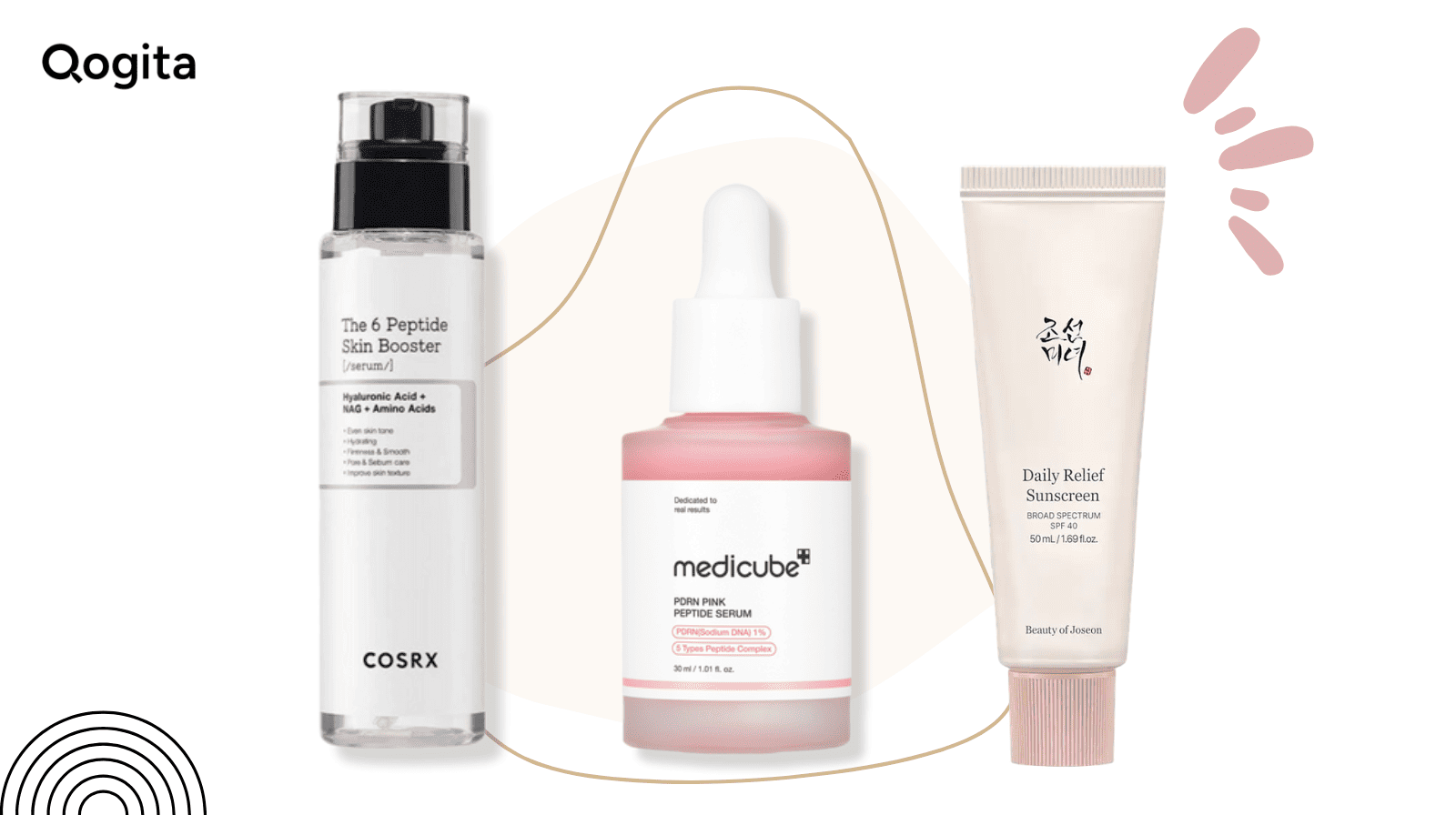
- Toners & Essences: Hydrating toners and treatment essences are repeat-purchase items that drive steady revenue. Look for hydrating toners like Mixsoon Galactomyces Toner or the cult-favorite essence, such as Mixsoon Soondy Centella Asiatica Essence and COSRX Snail 96 Mucin Power Essence.
- Serums & Ampoules: UK retailers see massive success with "barrier repair" and "glass skin" serums. Serums containing PDRN (Salmon DNA) are the breakout trend of 2026, alongside classic products like Skin1004 Madagascar Centella Ampoule.
- Sunscreens: These are arguably the most requested products, but they require the most attention to UK compliance. High-protection, lightweight formulas like Beauty of Joseon Relief Sun and Mixsoon Centella Sun Cream are gold mines for sales.
- Sheet Masks: These are perfect "basket fillers." They have a lower price point, making them great for capturing first-time customers. Vegan sheet masks, like Mixsoon Bifida Mask and Mixsoon Centella Mask, are in high demand among customers looking for clean beauty options.
Trending Korean Ingredients Driving Demand
Your customers are smart, and they read labels carefully. Make sure you buy products that contain these trending ingredients:
- Snail Mucin
- Centella Asiatica (Cica)
- Rice Extract
- Propolis
- PDRN (Salmon DNA)
- Ginseng
- Mugwort
- Ceramides
- Birch Sap/Juice
- Tremella Mushroom
- Yuza (Yuzu/Yuja)
- Galactomyces/Fermented Ingredients
How to Validate Demand (Practical Steps)
Do not guess what will sell well in the UK market. Use these specific methods to verify your stock list before buying:
- Analyze Amazon UK "Movers & Shakers": Check the "Movers & Shakers" section in the Beauty category on Amazon. This shows products with the biggest gain in sales rank over the last 24 hours. If a Korean brand appears here, it is currently going viral in the UK.
- TikTok Creative Center: Use the "Top Products" filter and set the region to "United Kingdom" and the category to "Beauty & Personal Care." This tool shows you exactly which K-beauty items are appearing in the highest-converting ads right now.
- Audit UK Competitors: Visit the "New Arrivals" sections of established UK retailers like PureSeoul, Skinsider, or Selfridges. If they are all stocking a specific new brand like House of Dohwa or Mixsoon, the market is ready for it.
- Google Keyword Planner: Run a search for specific brand names in the UK region. If the "Year-over-Year" (YoY) change is +50% or more, that brand has high growth potential for your retail shop.
If you're not sure which brands to start with, we've already put together a list of the best-selling Korean skincare brands that are performing well with retailers.
Step 2: Choose Your Sourcing Strategy (EU vs Korea)
There are two main ways to stock products: buy from an EU-based wholesaler or import goods directly from Korea. Both approaches have different impacts on your profit margins and legal duties.
Option A: Buy from a UK/EU Korean Skincare Wholesaler
This is the most popular route for beginners and small-to-medium retailers. You are essentially buying from a middleman who has already imported the goods into the European region.
Who should try this: New businesses, Amazon FBA sellers, or those testing new brands.
Here are the benefits of buying from a UK/EU-based wholesaler:
- Zero Import Hassle: The wholesaler handles customs, duties, and VAT at the border.
- Speed: You can often get delivery in 2 to 5 working days.
- Compliance: Most products are already labeled for the UK market and notified on the SCPN (Submit Cosmetic Product Notification) portal.
Now, let’s take a look at the drawbacks of this option:
- Higher Costs: You pay for the wholesaler’s convenience, which eats into your margins.
- Stock Gaps: You can only sell what they have in their warehouse. If a brand goes viral in Seoul, it might take months to reach a UK wholesaler.
Option B: Import Directly from a Korean Skincare Wholesale Supplier
Eventually, scaling businesses move to this model. You contact exporters or brands directly in South Korea and ship the goods yourself.
Who should try this: Established retailers with high sales volume and available capital.
Importing goods directly from Korea comes with some benefits:
- Bottom-Line Profits: By removing the middleman, your unit cost drops significantly.
- Brand Variety: You get access to every brand in Korea, including "niche" labels that haven't hit the UK yet.
- Genuine Products: Since you’re buying goods that are produced in Korea, there’s a lower chance of buying fake products.
However, this sourcing option is not completely perfect.
- Legal Responsibility: You become the Responsible Person (RP). This means you are legally liable for the product's safety and labeling in the UK.
- Longer Wait Times: Shipping by sea can take 4 to 6 weeks. Air freight is faster but very expensive.
- Capital Heavy: Suppliers in Korea often require much higher Minimum Order Values (MOVs).
Comparison Table: Buying from UK/EU vs Korea
Step 3: Find and Vet a Korean Skincare Wholesale Supplier
Choosing the right partner is the most critical decision for your retail business. Because a mistake here can lead to counterfeit goods, customs seizures, or wasted capital. You generally have three types of Korean skincare wholesale suppliers to choose from:
- Wholesale Platforms: These are digital marketplaces that offer thousands of products in a single place. Platforms like Qogita, StyleKorean (K-Beauty Gateway), and Q-depot offer a streamlined way to compare prices and buy from multiple vetted suppliers in one go.
- UK/EU Distributors: Local companies like MiiN Trade or Gabona hold stock in European warehouses. They are ideal for smaller retailers who want fast shipping and zero customs paperwork.
- Korean Exporters: Companies based in Seoul that ship directly to your door. This is where you find the lowest unit costs but face higher MOQs.
Finding the right partner is a big task. We have a separate, in-depth guide on the Best Korean Skincare Wholesale Suppliers to help you narrow down your search.
How to Evaluate a Supplier - Your Checklist
Use this list to filter out unreliable partners before you sign a contract:
- Ask for a copy of their business registration and tax ID to prove they are a legal entity.
- Verify they can provide a Certificate of Authenticity or a Brand Authorization Letter.
- Check if they have a physical warehouse address rather than just a PO Box.
- Confirm they have specific experience shipping to the UK post-Brexit.
- See if they provide safety data sheets (MSDS) for every product they sell.
- Check their policy on damaged goods or short-dated stock.
- Ensure they can provide high-resolution product images for your website.
- Look for reviews on independent platforms or trade forums.
- Test their response time; a supplier that takes three days to reply to a sales inquiry will be slower during a crisis.
Questions You Must Ask Your Supplier Before Ordering
Before you send a single pound, get these answers in writing:
- What is the Minimum Order Quantity (MOQ) per individual product?
- What is the Minimum Order Amount (MOA) for the total shipment?
- Are these products registered on the UK SCPN portal?
- Can you provide the Ingredient List (INCI) in English for all items?
- What is your cancellation policy? Do you offer refunds for damaged products?
- What is the shelf life or expiry date of your current stock?
- Which Incoterms do you use for UK shipping (EXW, FOB, or DDP)?
- Do you offer discounts for bulk orders?
- What is the lead time from payment to dispatch?
- How do you handle "out of stock" items on a paid invoice?
- Can you provide the Product Information File (PIF) data if I am importing directly?
Step 4: Understand Costs, MOQs & Margins

To run a successful retail business, you must look past the per-unit price on a website. Your final profit depends on the landed cost, which is the total price of getting the product from the supplier to your UK shelf.
Typical MOV Expectations
Minimum Order Value (MOV) is the total amount you must spend to place an order. For example, a supplier might let you buy 5 different brands, as long as your total basket reaches a specific value, such as £500.
MOV varies according to your supplier's location:
- UK/EU Wholesalers: These suppliers usually have low barriers to entry. You might see a minimum spend of £250-£500 for the entire order. This is perfect for testing a new product or brand without tying up thousands of pounds in stock.
- Direct Korean Suppliers: When importing directly from Korea, you generally need to meet higher MOVs. A typical exporter requires a minimum spend of $2,000 to $5,000. They may also have an MOQ (e.g., 30 units) per individual product on top of this total value.
Cost Structure Breakdown
When you import wholesale Korean skincare, your budget should account for these five layers:
- Product Cost: The base price per unit.
- Shipping Fees: Air freight is fast but can cost you £5–£10 per kg. Sea freight is much cheaper, but requires you to wait for weeks.
- Import Duty: Under current UK trade rules, most "Perfume and Cosmetics" from South Korea have a 0% duty rate, provided you have a Certificate of Origin. Always double-check the specific commodity code for your item.
- Import VAT: You have to pay 20% VAT on the total value (product + shipping). If you are VAT-registered in the UK, you can reclaim this through Postponed VAT Accounting (PVA).
- Handling Fees: Couriers like DHL or FedEx often charge a flat disbursement fee (usually £15–£25) for processing your customs entry.
Margin Reality: Understand with Example
In this example, imagine you are selling a popular Korean skincare serum with a Retail Price (RRP) of £20.00.
The bottom line? Sourcing from a UK-based Korean skincare wholesale company gives you lower risk and faster turnover, which is great for testing new trends. However, direct importing is the only way to reach those 40-50% margins needed to scale a large retail brand.
But remember, importing goods from Korea means you have to handle the complex compliance rules and shipping responsibilities.
Step 5: Compliance & Labelling (UK Requirements)

Selling wholesale Korean skincare in the UK is a strictly regulated legal process. Since Brexit, the UK follows the UK Cosmetics Regulation (Schedule 34 of SI 2019/696). If you ignore these rules, your stock can be seized, and you could face unlimited fines or even prison time.
If You Buy from UK/EU Wholesalers:
In this case, you are a distributor. The heavy legal lifting is usually done by the wholesaler.
Your responsibility is to verify that the products are already notified on the UK portal. Check that the packaging has a UK address. If a customer has a bad reaction, you must be able to trace exactly where that batch came from.
If You Import Directly from Korea:
This is the most complex path. You become the Responsible Person (RP). By law, every cosmetic product in the UK must have an RP based in the UK. You are now legally liable for the safety and compliance of every bottle you sell.
Your 5 Core Responsibilities as an RP:
- Safety Guarantee: You must confirm that the product is safe for human health under normal use.
- Documentation: You must keep all technical files (PIF) for 10 years after the last batch is sold.
- Notification: You must tell the government exactly what you are selling before it hits the market.
- Label Accuracy: You must guarantee every claim (like "anti-aging") is truthful and the ingredients are listed correctly.
- Market Vigilance: If a customer reports a severe medical reaction, you must report it to the authorities within 20 days.
The Essential Document Checklist
You cannot legally sell imported Korean skincare products without these three things:
- Product Information File (PIF): Think of it as a digital passport for the product. It must include the formula, the manufacturing process (Good Manufacturing Practice), and evidence for any marketing claims.
- Cosmetic Product Safety Report (CPSR): This is part of the PIF but must be written by a qualified toxicologist. They analyze every ingredient to prove the product won't cause harm.
- SCPN Notification: You must register the product on the Submit Cosmetic Product Notification (SCPN) portal. You will need to upload the formula, a photo of the product, and a copy of the label.
Mandatory UK Labelling (The 2026 Standards)
K-beauty products arriving from Korea will have Korean labels. So you need to over-label them or create new packaging in English with the following:
- The name and a physical UK address of the Responsible Person (a PO Box is generally not sufficient).
- The country of origin - "Made in Korea."
- An ingredient list using the standard INCI names (e.g., "Aqua" instead of "Water").
- The nominal content at the time of packaging, given by weight or volume.
- The date of minimum durability (Best Before) or the Period After Opening (PAO) symbol showing how long the product is safe once opened.
- Any particular precautions to be observed in use, such as "Avoid contact with eyes."
- The batch number or reference for identifying the specific production run.
- The function of the product, such as "Hydrating Serum," if it is not obvious from its appearance.
- A "releases formaldehyde" warning if the product contains certain preservatives above the 0.001% threshold required by the 2026 UK standards.
Step 6: Shipping, Logistics & Import Process

If you’re importing goods from a Korean-based wholesaler, you need to arrange for the goods to be shipped from South Korea to your UK warehouse. This stage is where many retailers lose money due to hidden logistics costs or paperwork errors.
Shipping Options: Express, Air & Sea
Your choice of transport depends on your budget and how quickly you need to restock.
Express Courier (DHL, FedEx, UPS)
This is best for small to medium orders (under 100kg) or urgent samples. Express shipping from Seoul takes around 2 to 5 working days. It is a door-to-door service, meaning the courier handles the customs clearance for you and delivers straight to your office. While it is the most expensive per kg, the convenience outweighs the cost for high-value serums or trending items.
Air Freight
This is for larger shipments (over 100kg) that are still time-sensitive. It takes 6 to 9 days on average. Unlike express couriers, air freight usually moves from airport to airport. You will likely need to hire a separate UK customs broker to handle the arrival at Heathrow or Manchester and arrange a local van for the final mile.
Sea Freight
This is the most cost-effective method for bulk buying. Ships from Busan usually take 35 to 50 days to reach UK ports like Felixstowe or Southampton. Due to current global shipping route diversions in 2026, you must plan your inventory at least two months in advance.
Incoterms: Who Pays and Who Takes the Risk?
Incoterms are the international shorthand rules for shipping. You must agree on one of these with your supplier before paying.
- EXW (Ex Works): The supplier only packs the box. You are responsible for picking it up from their Seoul warehouse, handling Korean export papers, and all UK import steps. This is high effort for the buyer.
- FOB (Free On Board): The supplier pays to get the goods onto the ship or plane in Korea. Once the cargo is "on board," the risk and cost transfer to you. This is the most common term for sea freight.
- DAP (Delivered At Place): The supplier pays for the journey all the way to your UK address. However, you must pay the UK VAT and any customs fees before the driver hands over the boxes.
- DDP (Delivered Duty Paid): The supplier handles everything like shipping, export, and UK import taxes. This is the lowest hassle for a retailer, but usually the most expensive.
Common Import Risks & How to Avoid Them
Importing cosmetics into the UK is a high risk for customs officers. Be prepared for these challenges:
- Customs Holds: If your paperwork (like the Commercial Invoice) doesn't match the physical stock, HMRC may hold your goods. Always ensure the HS Code (usually 3304990000 for skincare) is correct.
- Missing Certificate of Origin: To benefit from the 0% duty rate under the UK-Korea Free Trade Agreement, you must have a formal Statement on Origin from your supplier. If you don’t have this document, you’ll be charged the standard "Third Country" duty rates.
- Formula Rejections: Some ingredients popular in Korea (like certain high-strength exfoliants) are restricted in the UK. If customs tests a sample and finds a banned substance, the entire shipment will be destroyed at your expense. It’s very important to do research about ingredients that are banned in the UK and the EU.
- Damaged Goods: K-beauty uses glass or aesthetic plastic. So always ask your Korean supplier to double-wall the boxes and use pallet wrapping to prevent crushed corners.
Step 7: Payment Terms & Risk Control
Your payment strategy is your first line of defense against fraud and cash flow issues. Most Korean suppliers have strict rules, but you can negotiate better terms as your relationship grows.
Common Payment Structures
- 100% T/T (Telegraphic Transfer) Upfront: This is the standard for most Korean suppliers when dealing with a new buyer. You pay the full invoice via bank wire before the goods leave the warehouse.
- 50/50 or 30/70 Split: As you build trust, you can move to a split payment. You pay a deposit (30–50%) to start the order, and the balance once the supplier provides the "Bill of Lading" or "Air Waybill" showing the goods are in transit.
- Platform Escrow: If you use platforms like Qogita or StyleKorean, your payment is often held in escrow. The supplier only receives payment once you confirm the shipment is on its way.
Safe Payment Methods - Only Use These When Buying Wholesale
- Bank Wire (SWIFT): The most common B2B method. Always ensure you are sending money to a corporate bank account that matches the company name on your invoice. Avoid sending money to personal accounts.
- Wise or Revolut Business: These are often cheaper than high-street banks for KRW/GBP conversions. They provide clear tracking so you know exactly when your supplier receives the funds.
- Credit Cards: Some wholesalers allow credit card payments via a secure link. While they may charge a 3% transaction fee, this offers the highest level of buyer protection if the goods never arrive.
How to Reduce Your Financial Risk
- Order Samples First: Never send thousands of pounds to a new Korean skincare wholesale partner without seeing the product quality. A legitimate supplier will always allow you to buy a small sample pack.
- Start with Small MOVs: Even if you have the budget, start with a smaller Minimum Order Value to test the supplier’s lead times and packing quality.
- Avoid Too-Good-to-Be-True Prices: If a supplier offers a trending serum at 70% off the retail price, it is almost certainly counterfeit or expired stock. Authentic K-beauty has thin margins; huge discounts are a massive red flag.
- Verify the Bank Details: Before paying, call the supplier or use a separate communication channel (like LinkedIn or their official website) to confirm the bank details on the invoice. This prevents invoice interception fraud.
Step 8: Final Pre-Order Checklist
Before you commit your capital and place your first bulk order with Korean skincare wholesale suppliers, run through this final list.
- Demand Validation: Have you checked Amazon "Movers & Shakers" and TikTok trends to confirm the Korean products are currently in demand in the UK?
- Supplier Authenticity: Has the supplier provided a business license and, ideally, an Authorization Letter from the brand? Did you ask for a product sample? Have you read real reviews on platforms like TrustPilot and Reddit?
- MOV & Tiered Pricing: Does your order meet the Minimum Order Value? Have you asked for a discount if you are close to the next pricing tier?
- Compliance Lead: If importing directly, have you appointed a Responsible Person (RP) in the UK and started the PIF/CPSR process?
- Label Readiness: Do you have a plan to apply English over-labels that include the RP address and other labelling requirements?
- Incoterms & Shipping: Is it clear who is paying for the freight, and do you have a quote for the landed cost, including the 20% UK VAT?
- Payment Security: Are you paying into a verified corporate bank account, and have you confirmed the details via a second communication channel?
You should have clear answers to all of these questions. Only then are you ready to start buying Korean skincare wholesale in the UK.
Conclusion
Ultimately, success in the Korean skincare business depends on your ability to balance high-speed trends with strict UK safety standards. You have to choose between a UK/EU-based supplier (lower margins, no responsibilities) and importing goods from Korea (higher margins, full responsibilities).
Whatever you choose, understanding the payment terms, UK skincare regulations, shipping logistics, supplier vetting, and high-margin products is very important.
Now, if you don’t want to do the heavy manual work, go with a platform like Qogita. As a B2B wholesale marketplace, Qogita connects you with a network of vetted Korean skincare wholesale suppliers in a single digital marketplace. This allows you to manage your supply chain and source authentic, trending Korean products.
Buying Korean Skincare Wholesale FAQs
Do I need a special license to sell Korean skincare in the UK?
You don’t need a specific "skincare license," but you must register your business with HMRC. If you import directly from Korea, you must also register for an EORI number to clear customs.
Is Korean skincare duty-free when importing to the UK?
Yes, most cosmetics from South Korea have a 0% duty rate under the UK-Korea Free Trade Agreement. You must ensure your supplier includes a "Statement on Origin" on the commercial invoice to claim this.
What are the labelling requirements for K-beauty in the UK?
All products must have an English label showing the UK Responsible Person’s address, a full ingredient list (INCI), the country of origin, and a batch number for safety tracking.
How do I know if a wholesale supplier is selling authentic products?
Always ask for a Letter of Authorization from the brand or a certificate of authenticity. Legitimate wholesalers like Qogita only work with vetted suppliers to ensure every bottle is 100% genuine.
Can I sell Korean skincare on Amazon UK?
Yes, you can sell Korean skincare on Amazon UK, but topical products often fall under restricted categories, so you may need approval. In many cases, Amazon will ask for recent wholesale invoices and may request proof of UK compliance, such as SCPN notification, depending on the product.
How long do Korean skincare products usually last?
Most unopened products have a shelf life of 30 to 36 months. Once opened, look for the "PAO" symbol (a small open jar icon) on the label, which usually indicates the product is good for 12 months.